
Brown or rusty water from your taps in Charlotte: causes and fixes
Quick answer
Brown water is almost always rust. If it hits every tap and clears within a few hours, it is usually a city main disturbance like hydrant flushing or a repair, and it is harmless once it clears. If only the hot water is brown, suspect the water heater. If it is persistent and the home has old galvanized pipe, that is the pipe corroding, and a repipe is the real fix.
You turn on the tap and out comes water the color of weak tea. It is unsettling, but brown water is almost always rust, and the useful question is where the rust is coming from. There are three common sources in Charlotte, and a couple of quick checks tell you which one you are dealing with.
First check: is it the city or your house?
Run the cold water at a few different taps. If the brown water shows up everywhere and you had no warning, it is often the city side: Charlotte Water flushing hydrants, doing main repairs, or a pressure change that stirred up sediment in the mains. This kind clears on its own within a few hours once you run the cold tap for a while. It looks bad but is generally harmless, and our Charlotte water quality guide covers what is normally in the supply. If a neighbor has it too, that confirms the city source.
Hot water only? Look at the heater
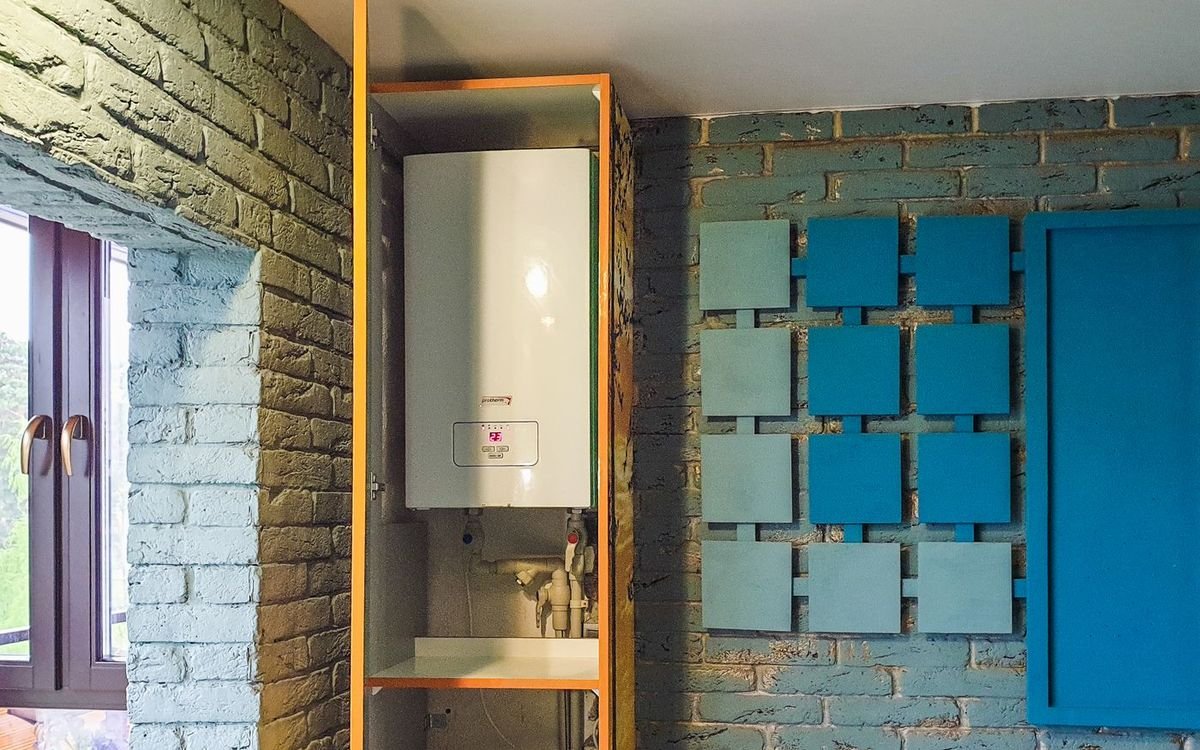
If the brown water comes only from the hot side and the cold runs clear, the source is almost certainly your water heater. Tanks rust from the inside as they age, and a worn-out anode rod lets the tank corrode faster. Brown hot water is one of the signs a heater is nearing the end. Sometimes a flush and a new anode rod buys time; often, on an older tank, it is telling you replacement is coming. We can test it and give you the honest call.
Both hot and cold, and it won't clear? Suspect the pipes
If brown water hits both hot and cold, does not clear after running it, and your home is an older one with galvanized supply pipe, the pipe itself is the source. Galvanized steel corrodes from the inside over decades, and eventually that rust ends up in your water. There is no cleaning it out. The fix is replacing the corroded supply with PEX or copper, which also solves the low pressure that usually comes along with old galvanized.
What to do right now
Run the cold water at your bathtub, the tap closest to where the line enters, for several minutes. If it clears, it was likely sediment or a city event and you are fine. If it stays brown, note whether it is hot, cold, or both, and how long it has been happening. That is the information that lets us pinpoint the cause quickly instead of guessing. Avoid doing laundry while the water is brown, since rust can stain fabrics.
When to call
Call if the brown water only affects hot water, if it will not clear after running the cold tap, or if it keeps coming back. Those point to a heater or pipe problem inside your house that will not fix itself. If it cleared within an hour or two and no one else nearby has it, you can usually chalk it up to a passing city or sediment event and move on.