
High water bill with no visible leak? Find it in 20 minutes
Quick answer
Run the meter test: shut off every fixture, note the meter reading, wait 30 minutes without using water, and read it again. If it moved, you have a leak. A running toilet is the most common culprit and wastes hundreds of gallons a day. If the meter moves with the house main shut off, the leak is between the meter and the house.
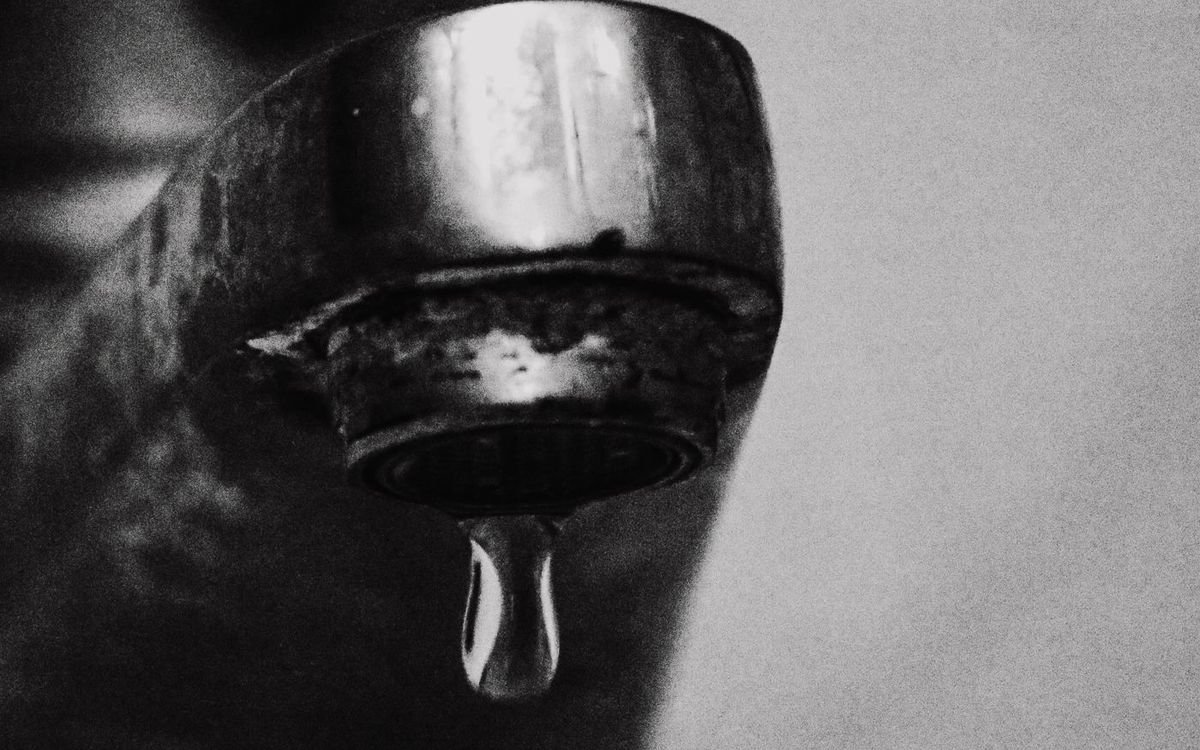
A water bill that jumps without a change in habits means water is going somewhere. The frustrating part is that most leaks never show up as a puddle. Here is the sequence we use to find them, starting with the free tests you can run yourself in twenty minutes.
Step one: the meter test
Find your meter, usually in a covered box near the street. Turn off every fixture and appliance that uses water, and ask everyone in the house to leave taps alone. Note the reading, including the small sweep hand or the low-flow indicator, a small triangle or dial that spins with even tiny flow. Wait thirty minutes without using any water, then read again.
If the reading moved, or the low-flow indicator is turning, water is escaping. That single test tells you whether you have a leak at all, and it costs nothing.
Step two: is it inside or outside
Now find your main shutoff where the line enters the house and close it. Go back and watch the meter. If the meter still moves with the house isolated, the leak is between the meter and the house, in the underground service line. If it stops, the leak is inside the house or in something fed after the shutoff. This one step splits the problem in half.
Step three: the toilet dye test
Toilets are the number one silent water thief, and a bad flapper can waste hundreds of gallons a day without a sound. Drop food coloring in each tank, do not flush, and come back in fifteen minutes. Color in the bowl means that toilet is leaking past the flapper. It is a $5 part. Our running toilet guide walks through the fix.
What else hides
| Culprit | Typical waste | Fix cost in Charlotte |
|---|---|---|
| Running toilet flapper | 200 - 1,000 gal/day | $5 DIY, or $99 - $200 rebuild |
| Dripping outdoor hose bib | Modest but constant | $150 - $300 |
| Irrigation line break | Large, often unseen | Varies |
| Slab leak (slab homes) | Large, damages floors | $150 - $450 to detect |
| Underground service line | Very large | Detection then repair |
When to call
Call when the meter moves with the main shut off, when you hear running water with everything off, when a floor has a warm spot, or when the tests say a leak exists but you cannot find it. That is exactly what leak detection is for, and locating it runs $150 to $450 so the repair is precise instead of a guess that opens half a wall. For slab-built homes in south Charlotte, our slab leak guide covers what comes next.