
Do you need a plumbing permit in Mecklenburg County? A plain guide
Quick answer
In Mecklenburg County you need a plumbing permit for a water heater replacement, a repipe, sewer or water service line work, gas line work, and adding new fixtures or drain lines. You do not need one for simple repairs like swapping a faucet, resetting a toilet, or clearing a drain. Permit fees usually run $75 to $200, and a licensed plumber pulls it for you.
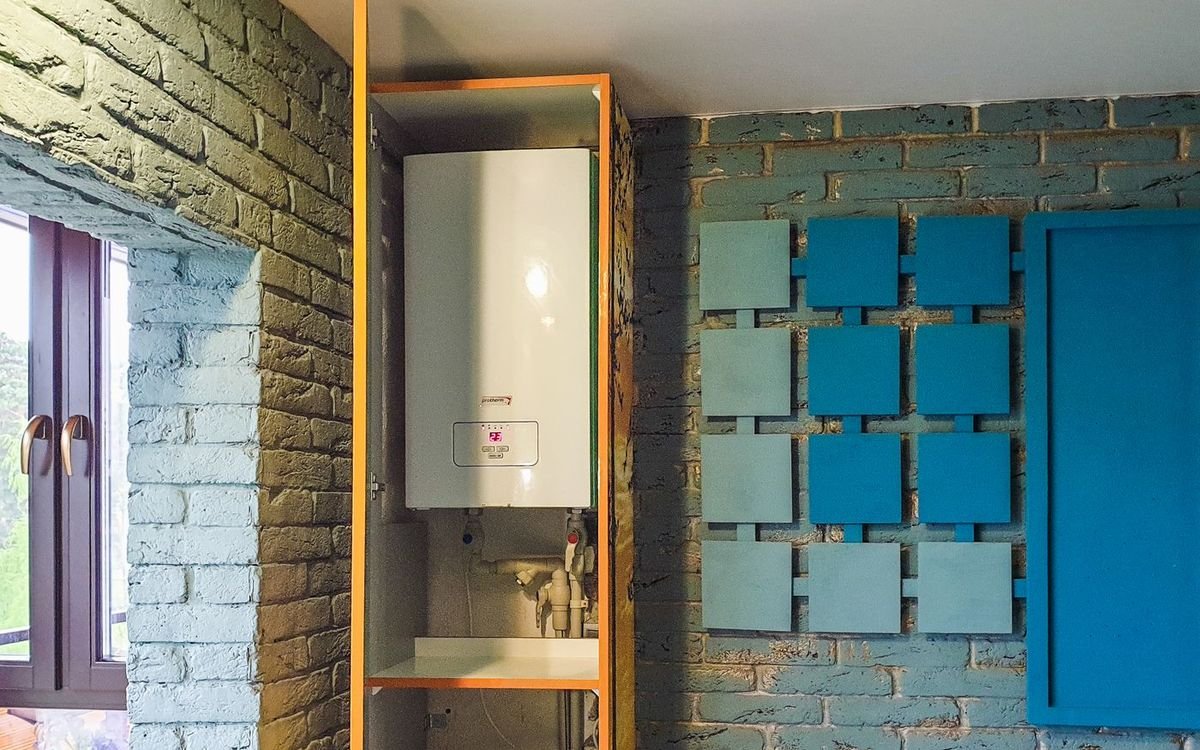
Homeowners ask us this all the time: does this job need a permit? It is a fair question, because a permit adds a little cost and time, and nobody wants to pay for red tape they do not need. Here is the straight answer for Mecklenburg County, without the code-book language.
Jobs that need a permit
In Mecklenburg County, permits exist for work that affects safety, the water supply, or the sewer system. That includes:
- Replacing a water heater, tank or tankless.
- Repiping the house, or replacing significant sections of supply pipe.
- Repairing or replacing the sewer line or the water service line from the meter.
- Any gas line work, including running a line for a tankless unit or a range.
- Adding a bathroom, a new fixture on a new drain, or moving plumbing during a remodel.
These get inspected because a bad water heater install can leak carbon monoxide or flood a house, and a bad sewer connection can contaminate. The permit is what puts a county inspector's eyes on the work.
Jobs that do not need a permit
Routine repair and replacement in the same spot generally does not need a permit. That covers swapping a faucet, resetting or replacing a toilet, changing a garbage disposal, replacing a shutoff valve, fixing a leak, or clearing a clogged drain. If we are fixing or directly replacing something that is already there, without changing the gas, the supply routing, or the drain layout, a permit usually is not required.
What a permit costs and who pulls it
| Item | Typical cost |
|---|---|
| Residential plumbing permit | $75 - $200 |
| Gas or mechanical permit (if separate) | $75 - $150 |
A licensed plumber pulls the permit for you as part of the job, so you are not standing in a county office. The fee is small next to the work itself, and it includes the inspection. If a contractor suggests skipping the permit to save you that fee, that is a warning sign, not a favor.
Why skipping a permit costs you later
Unpermitted work is invisible until it is not. It surfaces at two expensive moments. First, at sale: a home inspector or a buyer's agent flags a water heater or repipe with no permit history, and now you are re-doing paperwork, or the work, under time pressure while a sale hangs on it. Second, at a claim: if unpermitted work is tied to water or fire damage, an insurer can push back on the payout. The permit is cheap protection for the biggest asset you own.
How we handle it
For any job that needs one, we pull the permit and schedule the inspection as part of the flat price, so it is handled and documented. This matters most on the big jobs, a water heater replacement or a sewer line repair, where the permit and the passed inspection are exactly what a future buyer or your insurer will want to see. You keep the paperwork, and the work is on record as done to code.