
Polybutylene pipe in Charlotte homes: the gray pipe problem
Quick answer
Polybutylene is gray plastic supply pipe used in homes built from 1978 to about 1995. It fails suddenly at fittings and insurers penalize it. A whole-home PEX repipe in Charlotte runs $4,000 to $8,000. Check the pipes at your water heater: gray plastic, often stamped PB2110.
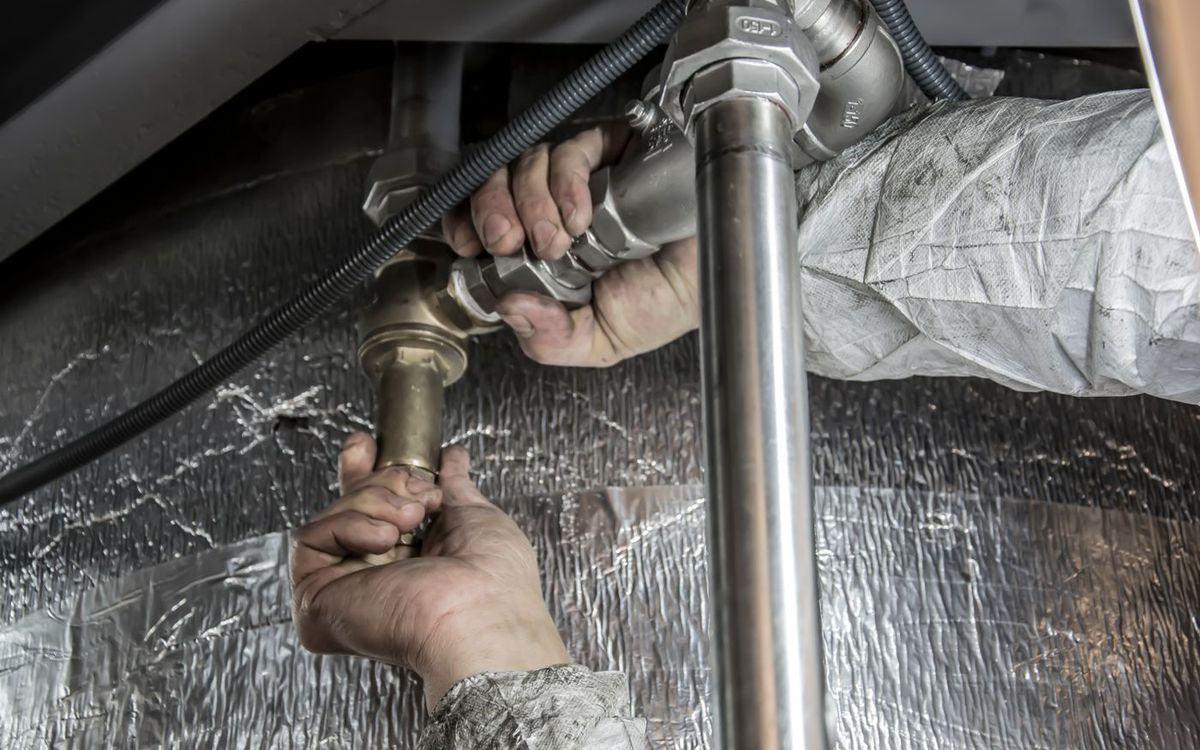
If your Charlotte home was built between the late 1970s and the mid 1990s, stop reading for a second and go look at the pipes connecting to your water heater. If you see gray plastic, you have polybutylene, and you should know what that means before it tells you itself.
What polybutylene is
Polybutylene, usually just called poly or PB, was a cheap flexible supply pipe installed in millions of American homes from 1978 to about 1995. Charlotte was growing hard in exactly those years, which is why University City, east Charlotte, Matthews, and big parts of Gastonia are full of it. It looked like the future. It was not.
Why it fails
Chlorine in treated city water slowly attacks polybutylene from the inside, making it brittle. Then one day a fitting lets go, with no drip and no warning, and you come home to a flooded hallway. The failures concentrate at fittings and get more likely every year the pipe ages. There was a class action settlement about it in the 90s, but that fund is long closed. The pipe in the walls, though, is still there.
How to identify it
Look for flexible gray pipe, usually half inch or three quarter inch, at the water heater connections, under sinks, and where lines cross the crawl space or attic. It is often stamped PB2110. Copper crimp fittings do not clear it, since plenty of poly was installed with copper fittings. If you are unsure, send us a photo and we will tell you in thirty seconds for free.
What insurers think
Insurance companies know the failure data, and some now surcharge, exclude water damage, or decline homes with poly outright. If you have made a water damage claim on a poly home, expect the renewal conversation to get uncomfortable. This matters at sale time too, since inspectors flag it and buyers negotiate off it.
What replacement costs
A whole-home repipe in PEX runs roughly $4,000 to $8,000 in Charlotte, depending on the size of the house, access, and how much drywall has to open and close. It is a two to four day job done right. That number sounds heavy until you compare it with one serious poly failure: a flooded kitchen runs five figures once you count flooring, cabinets, and the deductible hit. If you want the honest assessment for your house, our leak detection visit covers poly checks, and we price valve and fixture upgrades alongside repipes so you can stage the work.