
Pipe lining vs pipe bursting: the right trenchless sewer fix in Charlotte
Quick answer
Both trenchless methods fix a sewer line without a long trench. Lining cures a resin sleeve inside the old pipe and suits cracked or root-infiltrated lines that still hold their shape, roughly $6,000 to $12,000. Bursting pulls a new pipe through while breaking the old one apart, and suits collapsed, badly sagged, or undersized lines, roughly $8,000 to $15,000. On Charlotte's older tree-lined lots, both save the oaks and the driveway.
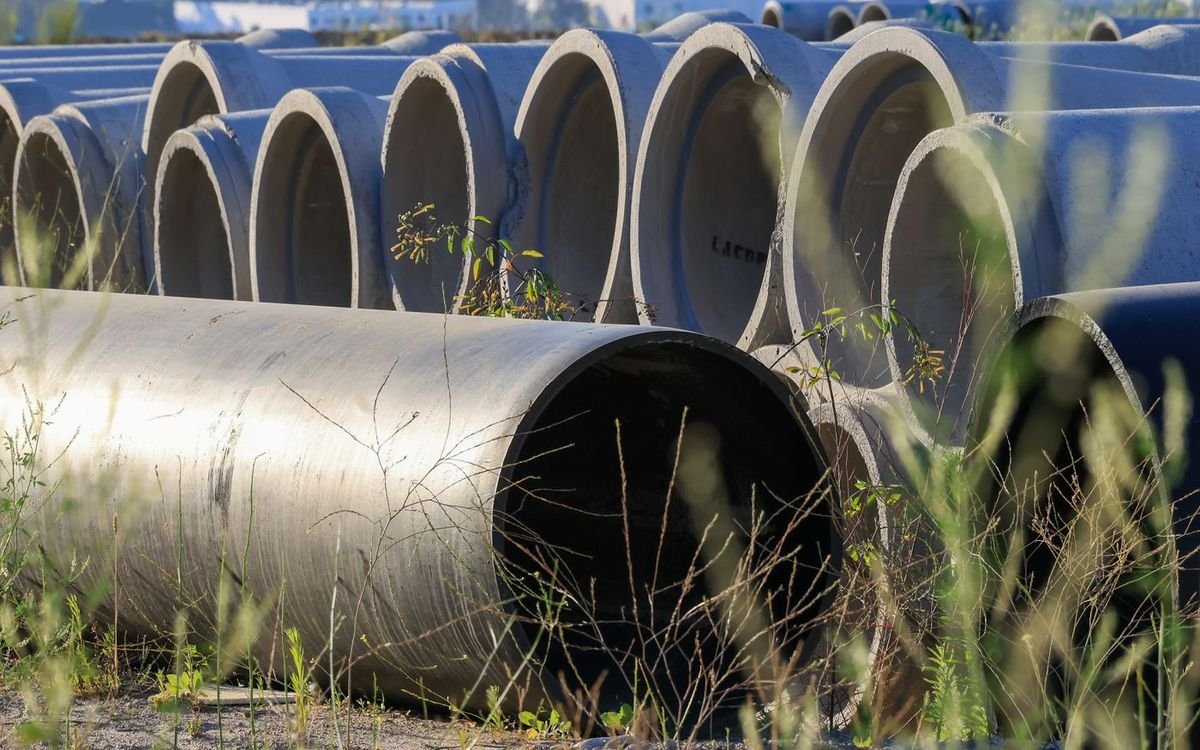
If a camera has found a real problem in your sewer line, the next question is how to fix it without turning your yard into a construction site. Trenchless repair is the answer for a lot of Charlotte homes, and there are two main methods. They are not interchangeable, and picking the right one comes down to the condition of your pipe. Here is the plain version.
Why trenchless matters here
Charlotte's older neighborhoods, Myers Park, Dilworth, Plaza Midwood, Elizabeth, sit under mature willow oaks with brick walks, established landscaping, and sometimes a driveway right over the sewer line. A traditional dig-and-replace means tearing through all of that and putting it back, which can cost as much as the pipe work itself. Trenchless methods work from one or two small access pits, so the surface mostly stays intact. That is where the savings and the appeal come from.
How pipe lining works
Lining, sometimes called cured-in-place pipe or CIPP, threads a resin-saturated felt sleeve into your existing pipe and inflates it against the old walls. The resin cures into a hard new pipe inside the old one, sealing cracks and blocking the joints where roots got in. It is the right call when the old pipe is cracked, leaking, or root-infiltrated but still holds its round shape and its line. It leaves you a jointless pipe that roots cannot re-enter, which is a big deal given how aggressive our oaks are.
How pipe bursting works
Bursting is for pipe that is too far gone to line. A cone-shaped head is pulled through the old pipe on a cable, breaking it outward into the soil while towing a brand new pipe in behind it. Because it fractures the old pipe rather than lining it, bursting works on lines that are collapsed, badly sagged, crushed, or too small, and it can even upsize the pipe. It needs a pit at each end but still skips the long trench.
Which one fits your line
The camera decides, not a preference. Cracked, leaking, or root-filled but intact and correctly sloped, lining is usually the move. Collapsed, offset, crushed, sagging, or undersized, bursting is the answer because there is nothing sound left to line. Sometimes part of a run can be lined while a bad section needs bursting. A good sewer company shows you the footage and explains why one method suits your specific pipe, rather than selling the one they happen to prefer.
What each costs
| Method | Typical Charlotte range | Best for |
|---|---|---|
| Pipe lining (CIPP) | $6,000 - $12,000 | Cracked or root-infiltrated pipe that holds its shape |
| Pipe bursting | $8,000 - $15,000 | Collapsed, sagged, crushed, or undersized pipe |
| Traditional dig-and-replace (for comparison) | $5,000 - $12,000+ | Shallow, accessible lines with little on top |
Trenchless often reads as more expensive on the pipe line alone, but once you add back the cost of replacing a driveway, mature oaks, and hardscape after a full dig, the total frequently lands in trenchless's favor on Charlotte's older lots.
The bottom line
Trenchless is not automatically right for every job, a shallow line under bare grass can be cheaper to just dig. But when the line runs under things you care about, it is usually worth it, and choosing between lining and bursting is a pipe-condition decision, not a sales one. Our sewer line work starts with a camera so you see the real condition first, and you can read more on the trenchless approach here.