
Sump pump installation cost in Charlotte
Quick answer
A sump pump replacement in Charlotte runs $400 to $1,200 installed. A brand new sump pit and pump, where none existed, runs $1,500 to $4,000. A battery backup pump adds $300 to $700. Homes with basements or damp crawl spaces need one, and our heavy summer storms are when it earns its keep.
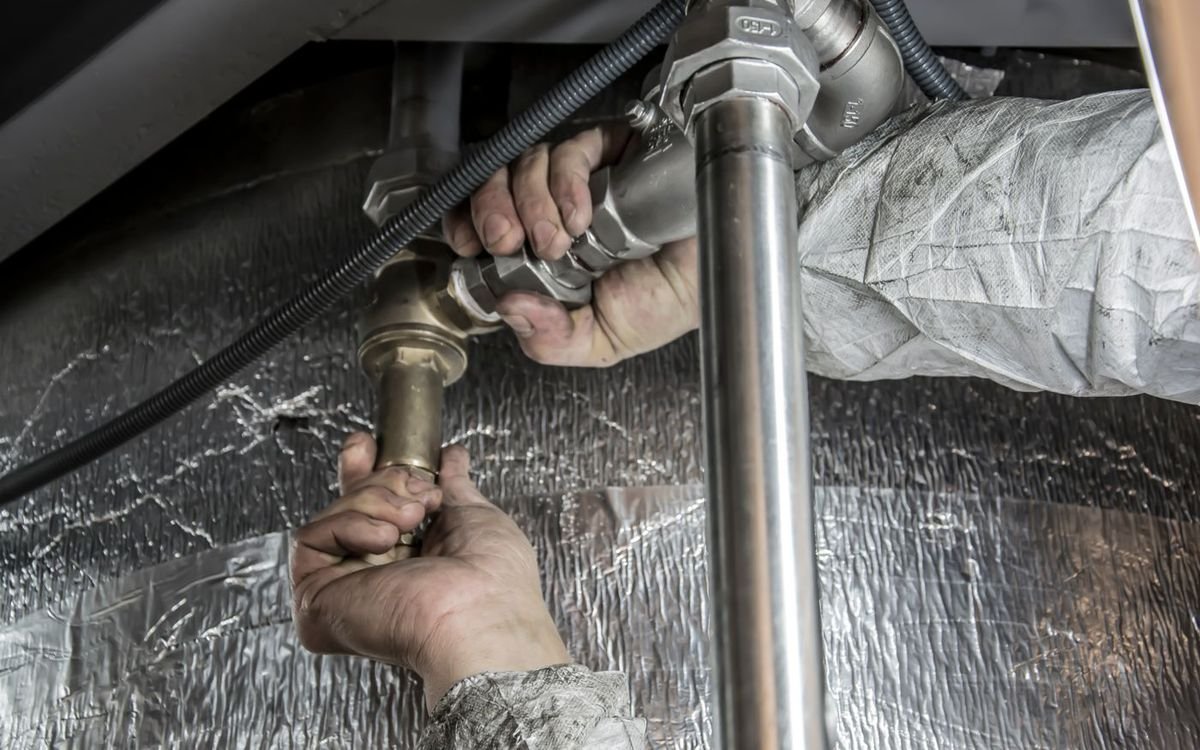
A sump pump is cheap insurance against an expensive problem. It sits in a pit at the low point of a basement or crawl space and pumps out groundwater before it floods the space. Most people never think about it until a storm, which is the worst time to find out yours failed. Here is what one costs in Charlotte.
The numbers
| Job | Typical Charlotte price |
|---|---|
| Replace an existing sump pump | $400 - $1,200 |
| New sump pit and pump (none existed) | $1,500 - $4,000 |
| Battery backup pump (add-on) | $300 - $700 |
| Water-powered backup (add-on) | $500 - $1,000 |
A straight replacement is the common job and the cheaper one. Cutting a new pit into a slab and running a discharge line is the bigger project, priced by the digging and drainage work involved.
Who actually needs one in Charlotte
If you have a basement, you almost certainly want one. If you have a crawl space that gets damp or has flooded before, a pump plus a proper discharge keeps groundwater from sitting under the house and rotting joists. Charlotte gets heavy summer thunderstorms and the occasional tropical remnant, and our red clay soil sheds water slowly, so the water table can push up fast. That is exactly when a working pump matters and a dead one costs you a floor.
Why a battery backup is worth it
Here is the cruel irony of sump pumps: the big storm that floods your basement is often the same storm that knocks out the power your pump needs to run. A battery backup pump kicks in when the main pump loses power, and it is the single upgrade we recommend most. For $300 to $700 it covers the exact scenario where you need the pump most. Without it, a power cut during a downpour means the pit overflows while you watch.
Test it before storm season, not during
A sump pump that sat unused for a year is the one that fails when you finally need it. Testing takes two minutes: pour a bucket of water into the pit and confirm the pump kicks on, moves the water out, and shuts off. Do it in spring before the summer storms. If it hums but does not pump, cycles oddly, or does nothing, call before the next heavy rain. Our fixtures and pumps page covers replacements, and if water is already coming in, start with the emergency steps.
Where the water goes matters too
A pump is only half the system. The discharge line has to carry the water far enough from the foundation that it does not just soak back down into the pit. We see plenty of Charlotte homes where the pump works fine but the discharge dumps two feet from the wall, so the water circles right back. A proper discharge run, sloped away from the house, is part of doing the job right, and it is worth checking even if your pump itself is healthy.