
Water heater leaking from the bottom? What it means
Quick answer
Water pooling under a tank almost always means the tank itself has rusted through, and that cannot be repaired. Shut off the water supply and the power or gas, then plan a replacement, which runs $1,300 to $2,500 installed in Charlotte. If the drip is coming from a fitting or the relief valve instead, that is a $150 to $450 repair.
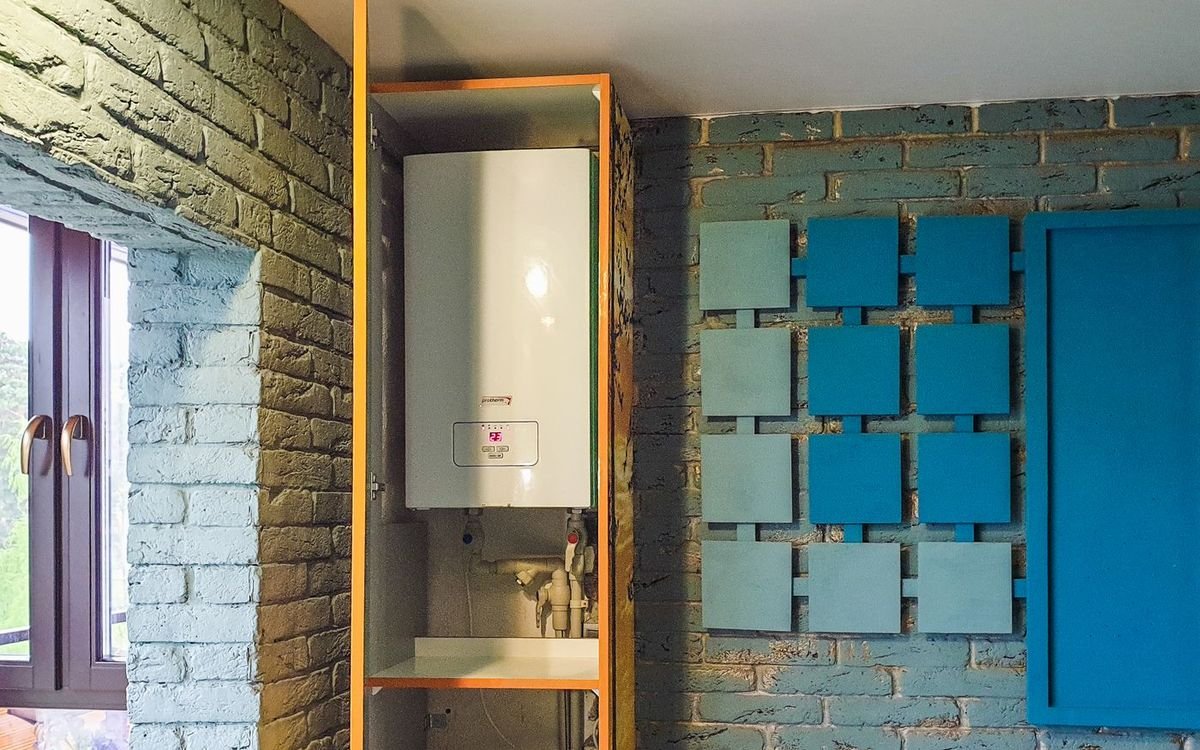
Water on the floor under a water heater is one of the few plumbing signs that is almost always what it looks like. Here is how to tell whether you are looking at a cheap fix or a dead tank, and what to do in the first five minutes.
First, shut things off
Before diagnosing anything, stop the flow. Turn off the cold water supply valve on top of the heater, the one on the inlet pipe. If it is a gas heater, turn the control knob to off. If it is electric, switch off its breaker. A tank that keeps filling while it leaks keeps feeding water onto your floor, and running an electric element in a draining tank destroys it. Two minutes here saves a lot of damage.
Where is the water actually coming from
Look up before you look down, because water runs. Trace it to the highest wet point. A leak at the cold or hot fittings on top is usually a loose or corroded connection, and that is a repair. A drip from the temperature and pressure relief valve, the pipe running down the side, means the valve is doing its job or has failed, and both are repairable. But water seeping from under the tank itself, with dry fittings above, means the steel tank has rusted through from the inside. That is not repairable.
What each one costs
| Source of the leak | Fix | Charlotte price |
|---|---|---|
| Loose or corroded top fittings | Repair the connection | $150 - $350 |
| Temperature and pressure relief valve | Replace the valve | $150 - $450 |
| Drain valve at the bottom | Replace the valve | $150 - $300 |
| Tank body (water under the tank) | Replace the heater | $1,300 - $2,500 |
Why the tank cannot be patched
A water heater tank is steel with a glass lining inside, plus a sacrificial anode rod that corrodes so the steel does not. When the anode is used up, the steel starts rusting from the inside out. By the time water appears underneath, the tank wall has already failed in at least one spot, and welding or sealing it is neither safe nor durable. Anyone offering to patch a leaking tank is selling you a few weeks. See our replacement cost guide for what a new one runs.
Where it sits changes the urgency
A lot of Charlotte heaters live in attics, closets, and crawl spaces. An attic tank that fails soaks the ceilings below it, which turns a $1,800 replacement into a $6,000 ceiling and drywall job. If your leaking heater is above finished space, treat it as urgent and call the emergency line. A garage tank leaking onto concrete is less dramatic, and you have time to shop the replacement properly. Either way, our water heater page covers same-day options.