
Water heater maintenance: flushing, anode rods, and descaling
Quick answer
Flush a tank water heater once a year, check the anode rod every three to four years, and test the temperature and pressure relief valve annually. On a tankless unit, descale every 12 to 24 months. Charlotte's relatively soft water is kind to tanks, but crawl space and attic humidity rusts them from the outside. Yearly maintenance runs $100 to $200 and reliably adds years to a $1,300 to $2,500 unit.
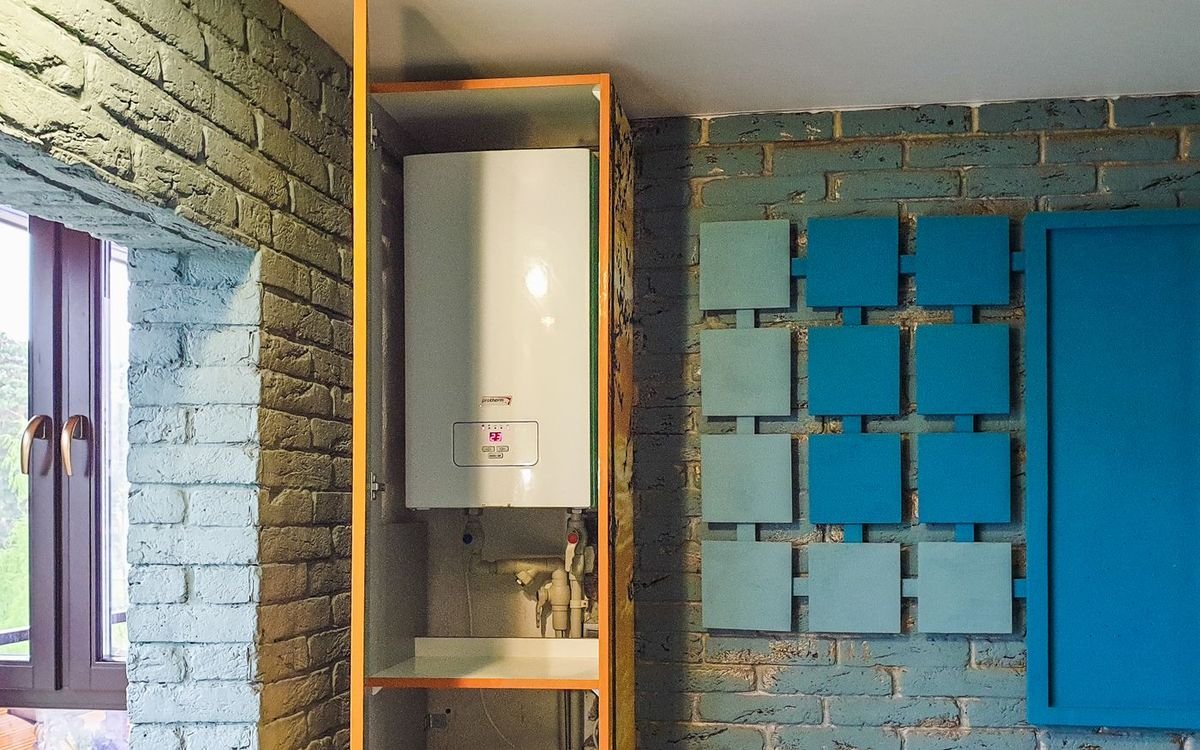
A water heater is the appliance people ignore completely until the day it floods a closet. It is also one of the few where a small amount of yearly attention genuinely adds years of life. Here are the four maintenance jobs that matter, what they cost, and which ones you can do yourself.
1. The annual flush
Minerals and grit settle to the bottom of a tank over time. On a gas unit that sediment sits between the burner and the water, so the burner works harder and the tank bottom overheats, which is what causes the rumbling and popping people hear. On an electric unit it buries the lower element. Draining a few gallons off the drain valve once a year clears it. Do it before the sediment hardens, because on a tank that has gone a decade without a flush, the drain valve can clog solid with compacted grit. If your heater has started making noise, sediment is usually why.
2. The anode rod, the part nobody knows about
Inside every tank is a sacrificial metal rod, usually magnesium or aluminium, that corrodes on purpose so the steel tank does not. When that rod is used up, the tank itself starts rusting, and a rusted tank cannot be repaired. Checking it every three to four years and replacing it when it is worn is the single highest-value thing you can do for tank life, and a rod costs far less than a heater. This is the step that separates a tank that reaches fourteen years from one that dies at nine.
3. Test the temperature and pressure relief valve
The TPR valve is the safety device that dumps water if the tank ever over-pressurizes or overheats. It should be tested once a year by lifting the lever briefly and confirming water discharges and then stops cleanly. A valve that does nothing, or one that weeps constantly afterwards, needs replacing. Worth knowing: a TPR valve that keeps dripping is often not a bad valve at all but high system pressure, which points at your pressure regulator or a missing expansion tank.
4. Descaling a tankless unit
Tankless heaters have no tank to flush, but they do have a heat exchanger that scales up. Descaling circulates a mild acidic solution through the unit to dissolve that buildup, and it is the core maintenance job for tankless. Every 12 to 24 months is the usual interval, and it matters more than people expect: a scaled exchanger loses efficiency, triggers error codes, and shortens the life of an expensive unit. Many tankless warranties expect it to have been done. If your unit was installed with isolation valves, the job is straightforward.
What it costs, and what is DIY
| Job | Interval | Cost |
|---|---|---|
| Tank flush | Yearly | DIY, or $100 - $200 with a service visit |
| Anode rod check / replace | Every 3-4 years | $150 - $300 replaced |
| TPR valve test | Yearly | DIY, replacement $150 - $250 |
| Tankless descaling | Every 12-24 months | $150 - $300 |
The flush and the TPR test are genuinely homeowner jobs if you are comfortable. The anode rod often is not, because it can be seized in place after years and needs real leverage without damaging the tank. We do these together on one water heater service visit so it is one trip rather than four.
The Charlotte angle
Two local factors matter. First, our water is on the softer side, which is genuinely kind to tanks and heat exchangers, so scale builds more slowly here than in hard-water regions. That is the good news. Second, a lot of Charlotte heaters live in crawl spaces and attics where humidity rusts them from the outside while you are diligently maintaining the inside. If yours is in one of those spots, check the shell and the pan for rust and standing water when you do the yearly flush, and make sure the drain pan actually drains somewhere. Autumn is the natural time to do all of this, alongside the rest of your fall plumbing checklist.