
Water heater making noise? What each sound means
Quick answer
Popping or rumbling means sediment in the bottom of the tank, and a flush usually fixes it. A high-pitched whine or hiss points at a failing element or the relief valve. Ticking is usually normal pipe expansion. Sediment noise on a tank over ten years old is often the tank telling you it is near the end.
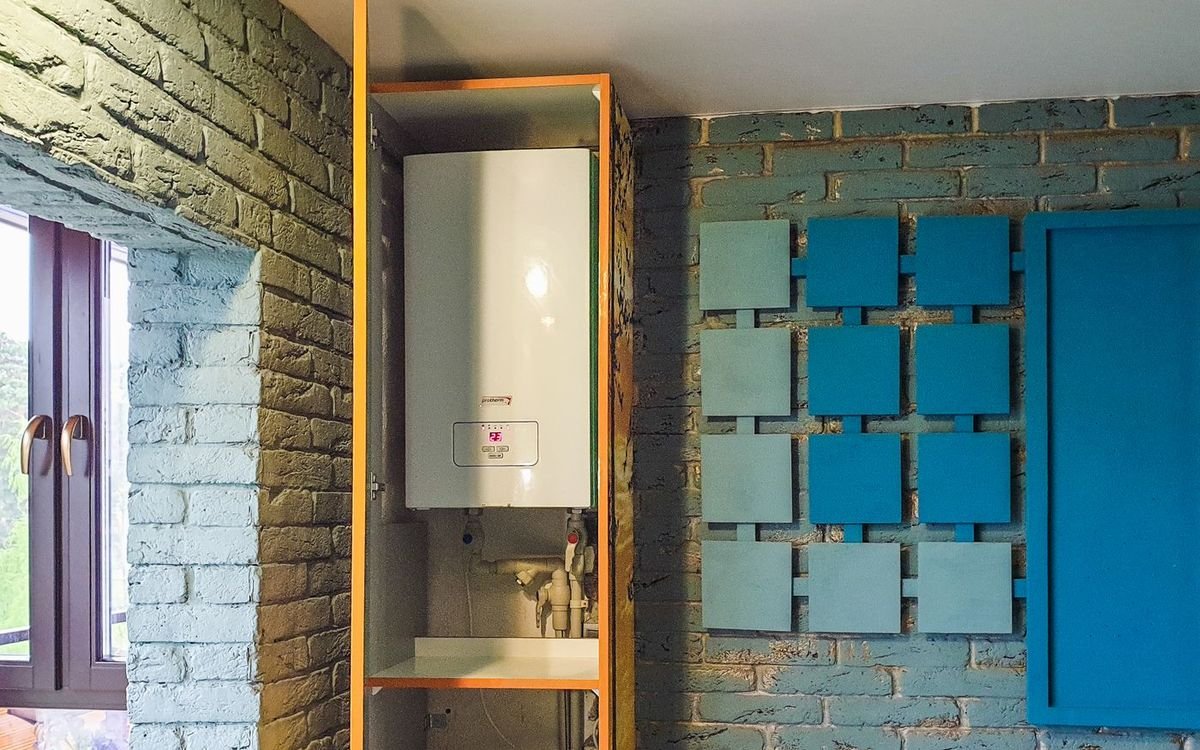
Water heaters are supposed to be boring. When one starts making noise, the sound itself tells you a lot. Here is how to read what yours is saying.
Popping or rumbling: sediment
This is by far the most common. Minerals settle out of the water and form a layer of sediment on the tank bottom. When the burner or lower element fires, water trapped under that layer boils and escapes in bubbles, and each bubble makes a pop. A heavy layer sounds like gravel in a washing machine. It is not dangerous by itself, but it means the heater is working harder and wearing faster.
The fix is flushing the tank, which drains the sediment out through the bottom valve. Done yearly, it adds years to a heater. On a tank that has never been flushed and is over ten years old, flushing sometimes reveals a leak that the sediment was plugging, which is worth knowing before it fails on its own.
Whining, hissing, or sizzling
A high-pitched whine on an electric heater usually means scale has built up on an element, and the element is struggling. Hissing or sizzling often means water is dripping onto a hot surface, which points at a small leak somewhere above the burner. Neither is an emergency, both are worth a look. If you hear hissing along with water on the floor, treat it as a leak first and see our leaking heater guide.
Ticking or tapping: usually nothing
Short ticking sounds that come and go, especially after hot water use, are almost always pipes expanding and contracting against framing as they heat and cool. It is harmless. Some heaters with heat trap nipples click as water moves through them. If ticking is the only sound and there is no leak or performance problem, ignore it.
What each sound costs to sort out
| Sound | Likely cause | Typical Charlotte cost |
|---|---|---|
| Popping, rumbling | Sediment | $100 - $200 flush (or DIY free) |
| High-pitched whine | Scaled element | $150 - $350 |
| Hissing, sizzling | Small leak onto hot surface | $150 - $450, or replacement if tank |
| Ticking, tapping | Pipe expansion (normal) | Free |
| Loud rumble, tank over 10 yrs | Heavy sediment, aging tank | Plan a $1,300 - $2,500 replacement |
How to flush it yourself
Turn the heater off, gas to pilot or breaker off for electric. Shut the cold supply. Attach a hose to the drain valve at the bottom and run it outside or to a floor drain. Open the valve and let the tank empty, then briefly open the cold supply to stir and flush the remaining sediment. Close up, refill fully before restoring power or gas, or you will burn out an element. If that sounds like more than you want to take on, it is an inexpensive service call, and our water heater page covers it.