
Sump pump installation & repair in Charlotte, NC
Water standing in the crawl space after every storm, or a pump that hums and does nothing? We install new sump pits, replace worn pumps, add battery backups and fix discharge lines across the Charlotte metro, with a flat price before we start.
Red clay, crawl spaces and where storm water ends up
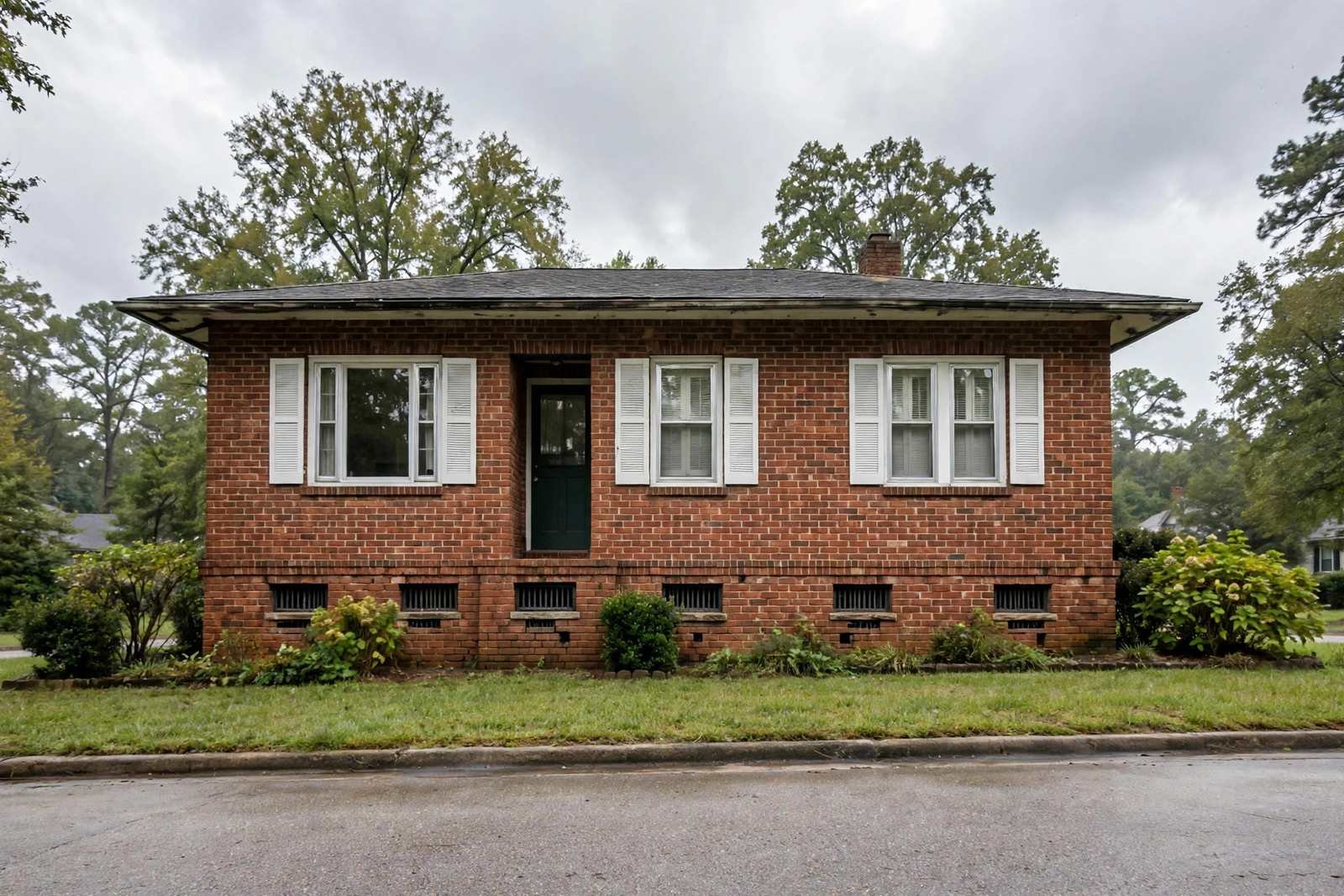
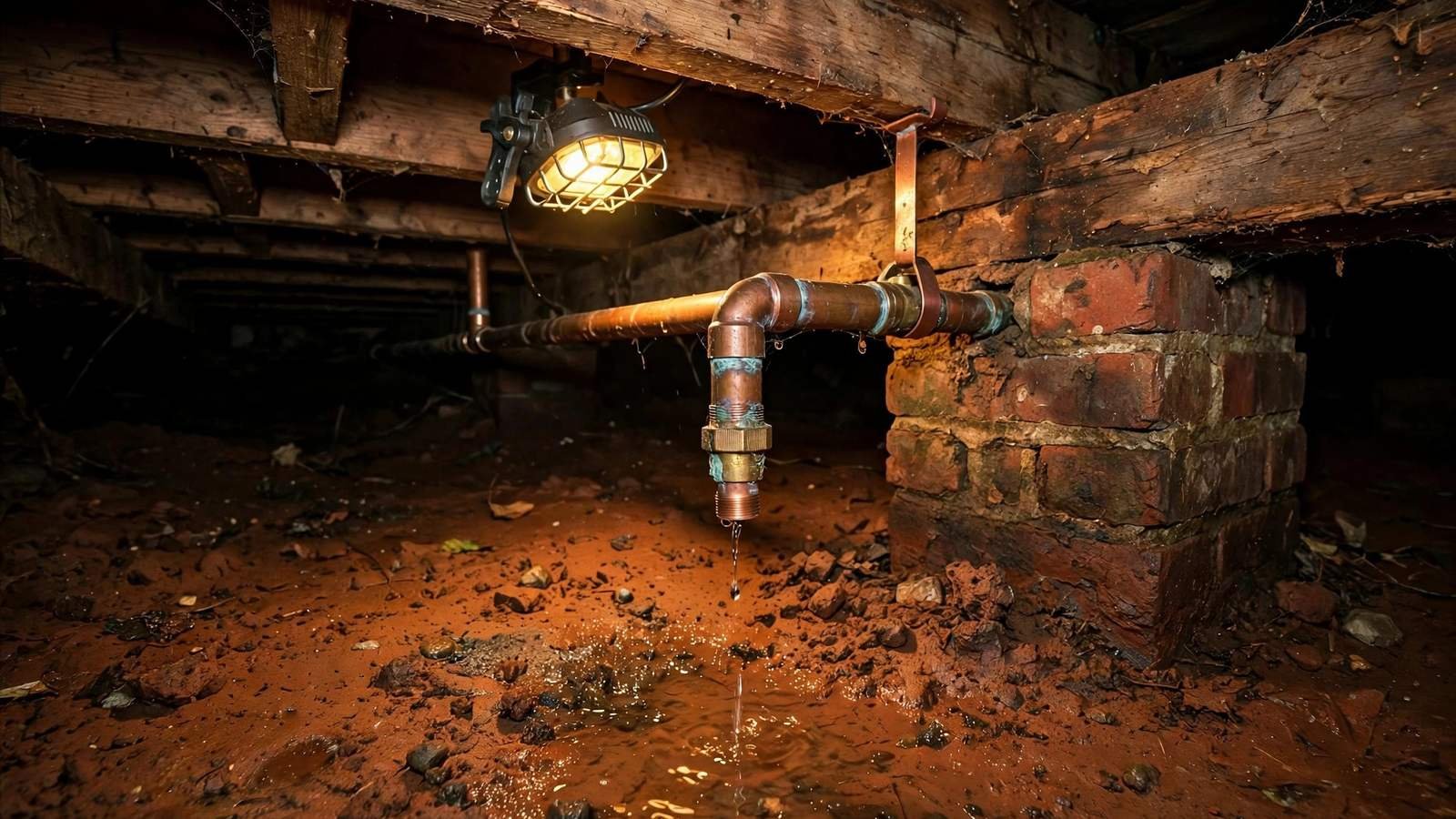
Charlotte's red clay takes water in slowly. When a summer thunderstorm drops two inches in an hour, the rain cannot soak in fast enough, so it runs along the top of the clay looking for the lowest spot. Too often that is the dirt under your house. Older ranches and bungalows on crawl spaces, especially ones where the yard tips toward the foundation, get it worst. A few days later the vapor barrier is floating, the joists are sweating and the ductwork is sitting in a puddle.
A sump pump is how we get that water back out. We set a pit at the low corner of the crawl space, usually fed by a perforated drain along the inside of the foundation wall, and the pump lifts the water out to the yard. It will not fix a clogged gutter or bad grading, and if that is the real problem we will tell you before you spend a dime. Our guide to crawl space moisture explains how to tell ground water from a plumbing leak.
Does your house need one, and which kind?
If you have a basement around here, you almost certainly want a pump. In Charlotte those are mostly older homes and houses on sloped lots where the back of the basement walks out to the yard. For a crawl space we look for standing water after heavy rain, a water line stained on the block walls, or mud that stays wet for days. One soggy spring is not a reason to spend a couple thousand dollars. Water that shows up every time it storms is.
Then you pick a style. A pedestal pump stands on a post above the pit with the motor out of the water. It is inexpensive, easy to service and noisy, which matters less in a crawl space nobody sits above all day. A submersible pump sits down in the water in a sealed housing. It is quieter, moves more water and lets the pit take a tight lid, which keeps humidity, smell and critters out. For most crawl spaces and every finished basement we put in a 1/3 or 1/2 horsepower cast iron submersible.
Battery backup and a discharge line that goes somewhere
The storm that fills your pit is very often the storm that knocks the power out. A battery backup pump sits in the pit next to the main one and takes over when the power drops or the main pump quits. It adds about $300 to $700, and it is the upgrade we push hardest. On city water there is also a water-powered backup that runs off house pressure, about $500 to $1,000, with no battery to wear out.
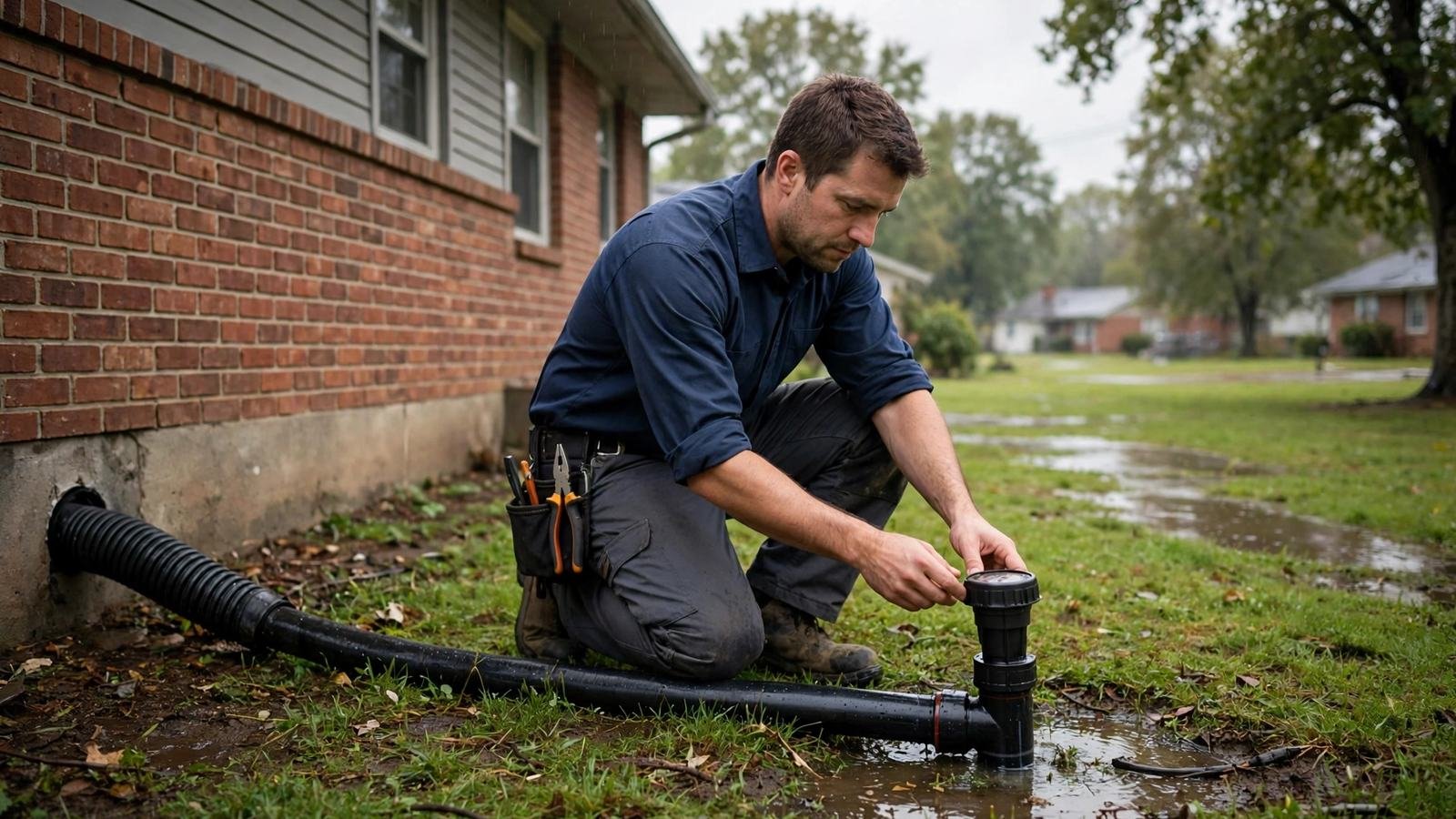
The discharge is the piece people skip. We run solid PVC out through the rim joist or foundation and carry it at least 10 feet from the house, either in a shallow trench to a pop-up emitter in the yard or out to a spot that drains away. A discharge that dumps right beside the wall just feeds the water back into the pit, and the pump runs itself to death. It also should not be tied into the sewer line, so we keep it on the yard side.
What breaks, and the two-minute test
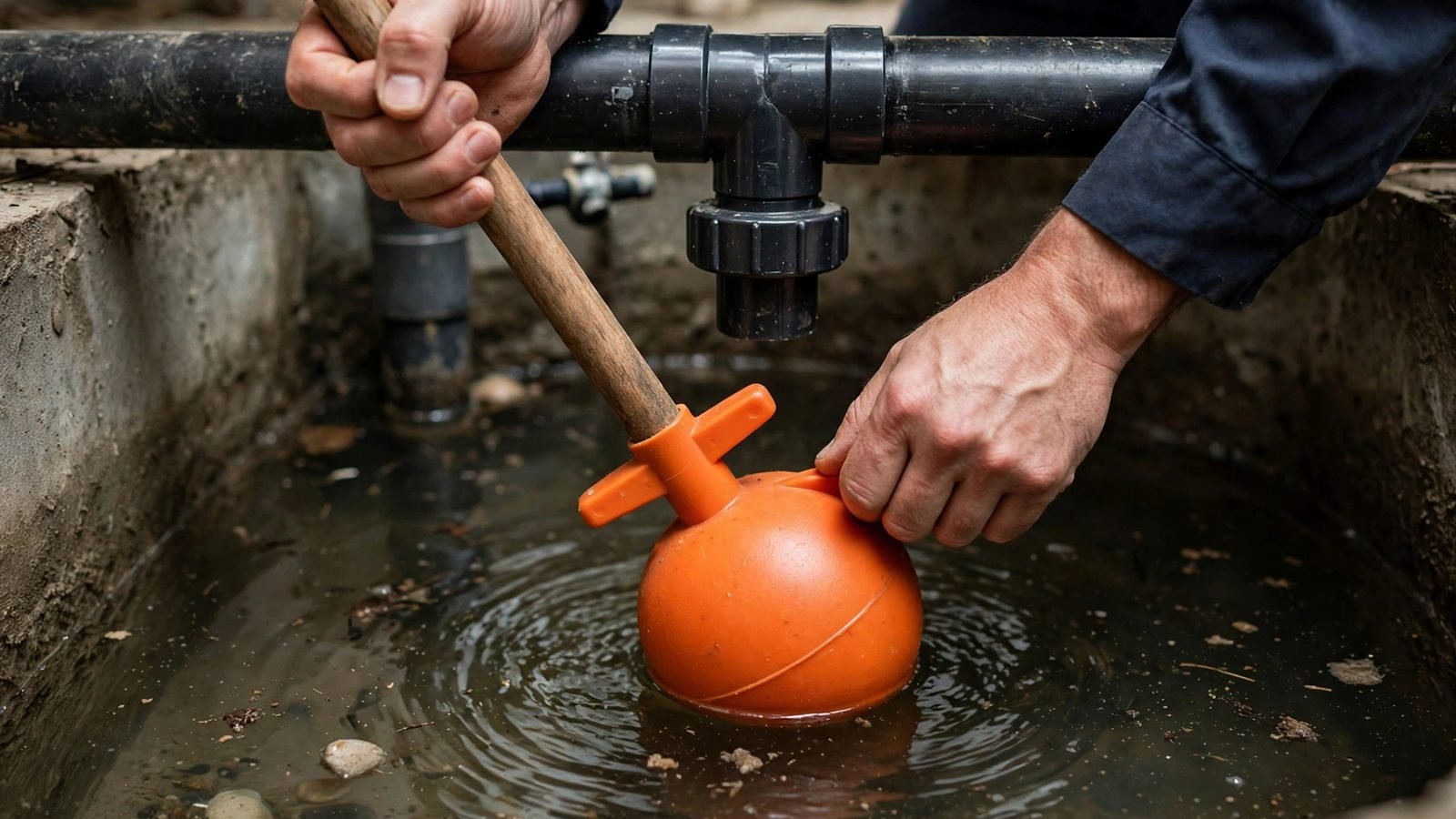
Most dead sump pumps did not wear out. The float switch got stuck. A tethered float can hang up on the pit wall or its own cord, and a vertical float can jam with silt and clay. Either the pump never turns on, or it never turns off and burns up its motor running dry. The other common failure is the check valve, the one-way valve on the discharge pipe just above the pump. When it fails, the water in the pipe drains back into the pit after every cycle. If you hear water rushing back down right after the pump stops, and it kicks on again a minute later, that valve is the likely cause. It is a cheap part and a short visit.
Test the pump twice a year, in spring before thunderstorm season and again in late summer before the tropical storms show up. Pour a five gallon bucket of water slowly into the pit. The float should rise, the pump should start, empty the pit and shut off cleanly. Then unplug the main pump and do it again to check the backup. If it hums without moving water, cycles strangely or does nothing, call before the next big storm.
Pit overflowing right now?
Stay out of the water if the pump or any cord is sitting in it. From a dry spot, check that the pump is plugged in and that the breaker or GFCI outlet has not tripped. A tripped GFCI is the cause more often than you would guess. If it has power but is not running, lift the float gently with a broom handle. If the pump starts, the switch is stuck. If the pump is running and the water keeps rising, the discharge is blocked or the pump is too small for the storm. A wet vac buys you time while we drive out, and we answer the phone 24 hours a day.
Replacing an existing pump usually runs $400 to $1,200 in Charlotte. A new pit and pump where there was none runs about $1,500 to $4,000, depending on whether we are digging into a dirt crawl space or cutting a basement slab, and how far the discharge has to go. You get a flat price before we start. See the full sump pump cost breakdown.
Sump pump installation & repair questions
Do I need a sump pump in my crawl space?
Only if water actually collects there. If you see standing water or soaked dirt after most heavy rains, a pump with a perimeter drain is the fix. If the crawl space is just humid, a good vapor barrier and fixing gutters and grading usually solve it for much less. We will look first and tell you which one you have.
How long does a sump pump last?
Most last around 7 to 10 years. Cast iron submersibles in a lidded pit tend to reach the long end, while cheap plastic pumps that cycle constantly can quit in a few years. If yours is pushing ten and runs a lot during storms, replace it on your own schedule rather than waiting to find out during a downpour.
Why does my sump pump keep running?
A float switch stuck in the up position is the usual cause, and the pump will run until the motor burns out. A failed check valve can also make it cycle every minute or two. If it runs nonstop during a long rain and the pit is still full, the pump may simply be too small. Unplug it if the pit is dry and call us.
Is a battery backup sump pump worth it?
For most homes with a pump, yes. Heavy storms and power outages tend to arrive together here, and a primary pump does nothing without power. A battery backup adds about $300 to $700 and covers exactly that situation. It also takes over if the main pump fails outright. Test it twice a year and plan on a new battery every few years.
Does homeowners insurance cover sump pump failure?
A standard policy usually does not cover water from a failed sump pump unless you added a water backup endorsement. That rider is typically cheap, so it is worth a call to your agent if you have a pump. Keep our invoice and any photos of the water, and document when the pump was last tested or replaced.
What Charlotte Homeowners Say
We're new to Charlotte, and we're building our reputation the only honest way there is: one job at a time, done right, at the price we quoted. Every Hornets Nest job comes with flat-rate pricing, a licensed and insured crew, and a real person answering the phone 24/7.
Water under the house again?
Call any time, day or night, and we will help you get the pit under control and price a lasting fix.
📞 Call (704) 419-7362