
How do I keep holiday guests from clogging the toilet?
Quick answer
Put a flange plunger and a small lidded trash can next to every toilet, test each one with a normal flush before guests arrive, and keep wipes out of the bowl. If a toilet won't clear after real plunging, use a toilet auger. If two drains back up at once, it is the main line.
Your plumbing is sized for the people who live in your house. Add six relatives for four days and every toilet, shower and drain is suddenly doing two or three times its normal work. The weak spots that never bother you on a regular Tuesday show up all at once, usually with an audience.
Here is how we tell people to get the bathrooms ready, and what to do when a guest knocks on your door looking embarrassed.
What a full house does to your plumbing
A toilet that gets flushed six times a day in a family of three might get flushed twenty-five times a day with a full house. A toilet with a marginal flush, like a lot of the early low-flow models put in Charlotte homes in the 1990s, gets away with it most of the year. Under holiday traffic it starts needing two flushes, and the second flush is the one that overflows.
Showers are the other pinch point. A standard 40 or 50 gallon tank heater will usually give you two or three showers back to back before it runs lukewarm, and then it needs close to an hour to recover. Nine people trying to get ready for church on Sunday morning will find the bottom of that tank fast. Space showers twenty or thirty minutes apart where you can, and run the dishwasher and laundry overnight so they are not fighting the bathrooms for hot water.
Getting every bathroom ready before anyone arrives
A little setup the week before saves you a midnight mess. We tell people to walk through each bathroom guests will use and do the following:
- Put a plunger right beside the toilet. Guests will not go looking for one, and they will not ask. A flange plunger, the kind with the extra rubber sleeve on the bottom, is the right one for a toilet. The flat cup style is for sinks.
- Add a small trash can with a lid. If there is nowhere to throw something away, it goes in the bowl.
- Stock regular toilet paper. Ultra-thick, quilted paper takes longer to break down, and with heavy use it stacks up in the trap.
- Do a test flush with a normal wad of paper. If the bowl drains slowly, swirls weakly, or needs a second flush, deal with it now.
A slow flush is often a partial clog already sitting in the trap, or mineral buildup in the rim holes. If the tank also runs or refills on its own, our guide to a toilet that keeps running covers the usual parts. A toilet that is going to fail with company in the house is a lot cheaper to fix on a weekday in early November.
The flushable wipes problem
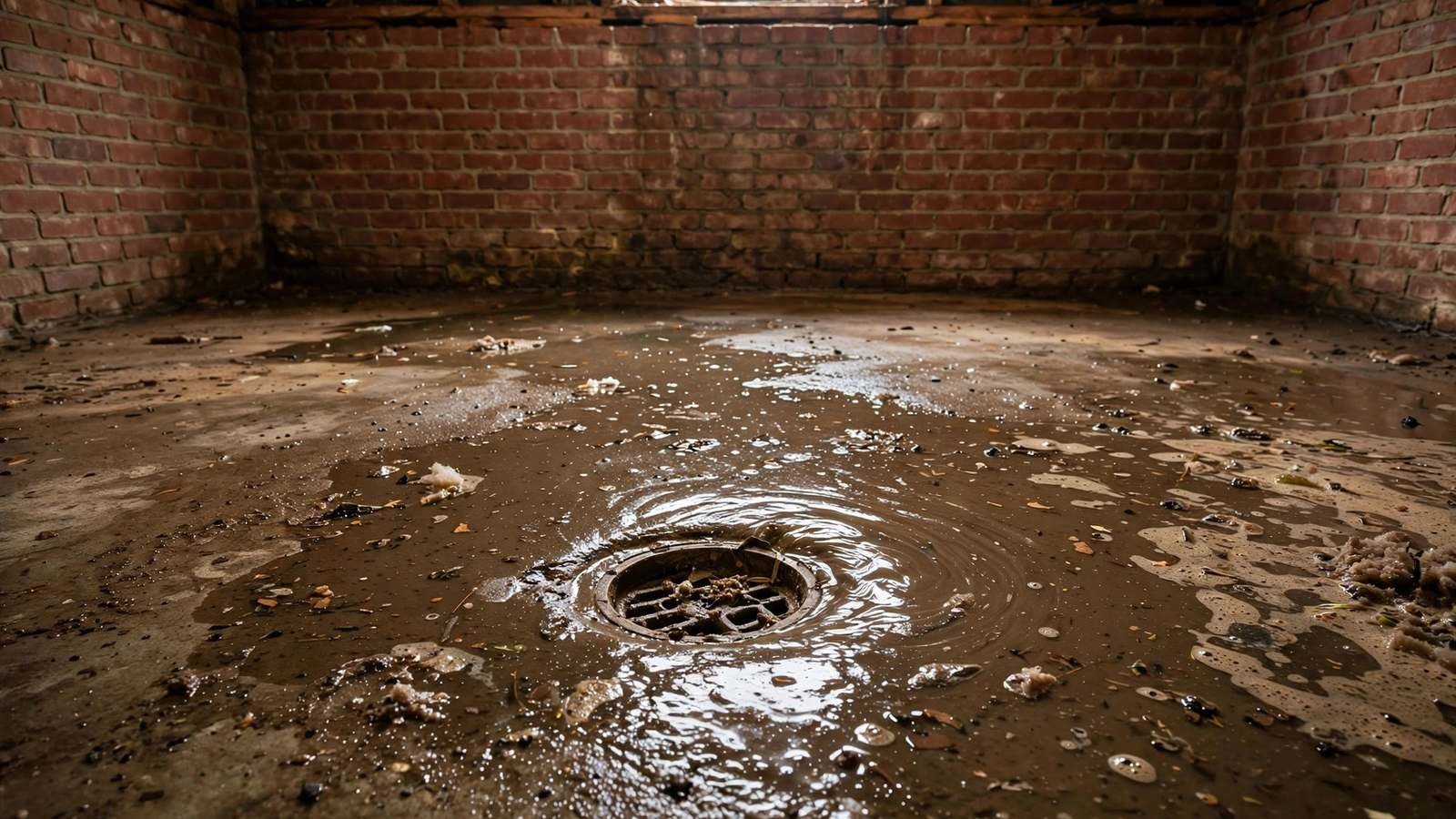
Flushable wipes do flush. That is all the label promises. They do not break apart the way toilet paper does, which falls apart in water in a few seconds. Wipes stay in one piece, slide through the toilet, and then snag somewhere down the line.
In older Charlotte neighborhoods with cast iron or clay sewer pipe, the snag point is usually a rough joint or a few root hairs that came in through a crack. One wipe catches, the next ten catch on that one, and you get a rope that blocks the whole main line. We pull those out on camera all the time. Newer PVC lines in places like Ballantyne or Steele Creek hold up better, but they still catch wipes at the city connection and the cleanout fittings.
So the trash can next to the toilet is not just for looks. If you have guests with small kids, it also helps to tell the kids that toys do not go swimming. Plastic dinosaurs are a classic holiday toilet call.
A guest clogged it and the plunger is not working
Step one is to stop flushing. If the water is climbing toward the rim, reach behind the toilet and turn the oval handle on the supply valve clockwise to shut it off, or take the tank lid off and push the flapper down to stop the refill.
Then plunge the right way. You need enough water in the bowl to cover the plunger cup. Press down slowly the first time so you push the air out and get a seal, then give it 15 or 20 firm strokes, keeping the seal the whole time. Most people quit after three gentle pushes.
If that does not move it, a toilet auger is the next tool. It is a short crank cable with a rubber sleeve that protects the porcelain, and it costs about $30 at any hardware store. Feed it into the bowl, crank, and pull back. If even the auger will not clear it, there is something solid in there, like a toy or a wad of wipes, and the toilet may have to come off the floor. A toilet auger visit runs about $120 to $275 in Charlotte, and our toilet repair team can pull and reset the toilet with a new wax ring if that is what it takes.
When two drains back up, it is the main line
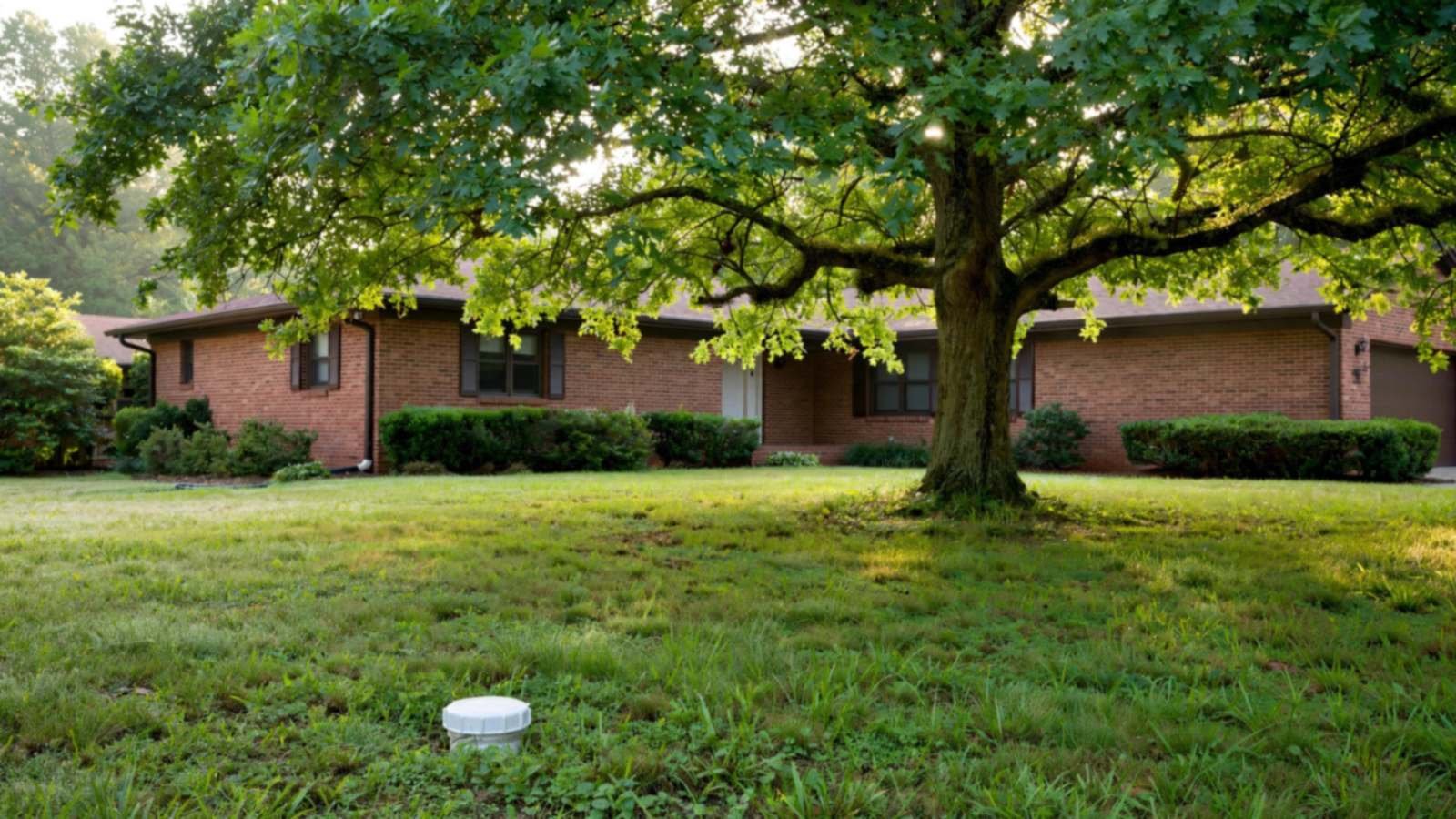
A single clogged toilet is a toilet problem. A toilet that backs up while the tub next to it gurgles, or a shower that fills with water when someone flushes upstairs, is a different situation. When two fixtures react to each other, the blockage is past the point where they join, and that usually means the main sewer line.
With a full house, act quickly. Tell everyone to stop using water, including the dishwasher and the washing machine, because every gallon you send has to come up somewhere, and it comes up at the lowest drain. If you know where your yard cleanout is, open the cap carefully. Water standing in it confirms the blockage is between there and the street.
Clearing a main line through a cleanout typically runs $150 to $400. If you are seeing other warning signs, our post on gurgling drains explains what they usually point to. If it backs up again soon after, the pipe itself may be the problem, and that is what our sewer line repair work is for. Give us a call, even on a holiday, and we will give you a price before we start.