
What a PEX repipe costs in Charlotte
Quick answer
A whole-home PEX repipe in Charlotte runs $4,000 to $8,000 for a typical three bedroom house, including drywall access holes but not always the drywall finishing. Two-story homes, slab foundations, and larger houses push toward the top. The usual reasons: failing polybutylene or galvanized pipe rusted shut.
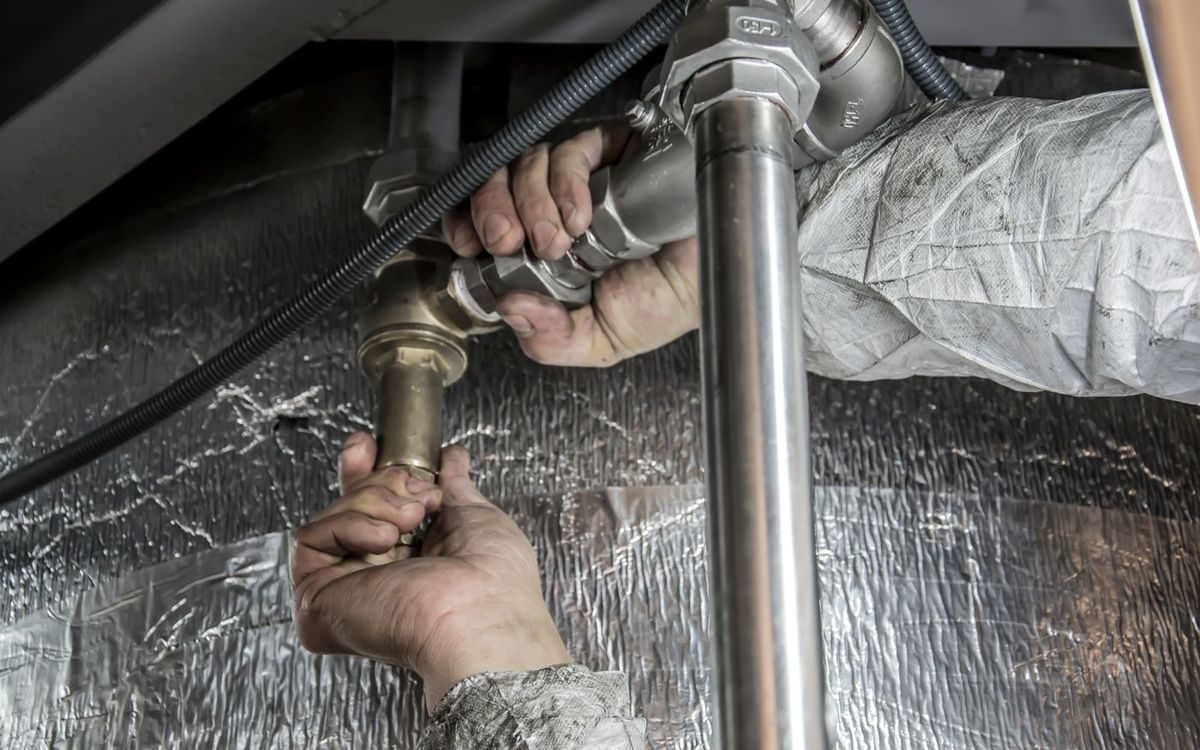
A repipe sounds like open-heart surgery for a house, and homeowners put it off for years while paying for leak after leak. The reality is calmer: 2 to 4 days, more drywall dust than drama, and at the end your house has new supply lines that outlive you. Here is what it costs in Charlotte and how to know when you have crossed the line where patching is just slow-motion repiping at a higher total price.
The numbers
| House | Typical repipe price |
|---|---|
| 2 bed, 1 bath, one story, crawl space | $4,000 - $5,500 |
| 3 bed, 2 bath, one story | $5,000 - $6,500 |
| 3-4 bed, 2.5 bath, two story | $6,000 - $8,000 |
| Large or slab-built homes | $8,000+ |
Crawl space homes sit at the low end because most of the run stays under the house where access is open. Slab homes cost more because lines reroute through walls and attics instead. Always ask whether drywall repair and paint are included, since many plumbing quotes cover cutting access holes and patching rough, with finishing left to you or a drywall contractor at $300 to $800 more.
The two pipes that cause Charlotte repipes
Polybutylene, the gray plastic in homes built 1978 to 1995, fails suddenly at fittings and gets homes surcharged or declined by insurers. University City, Matthews, east Charlotte, and Gastonia are full of it. Galvanized steel, in homes before about 1960, rusts shut from the inside, which is why old Plaza Midwood and Belmont houses have strong cold pressure at the street and a sad trickle at the shower. Poly fails loudly with floods. Galvanized fails quietly with pressure loss and rusty water. Both end the same way, and the repipe is the cure for each.
What actually happens over the 2 to 4 days
Day one: the crew maps fixtures, shuts water, and starts pulling new PEX lines through the crawl space, attic, and wall cavities, cutting small access holes where needed. Water usually comes back on by each evening, so you live at home through the job. Day two and three: fixture connections, new quarter-turn shutoff valves at every fixture, a new main shutoff, and pressure testing. Final day: the county inspection, then patching of access holes. You keep your kitchen and bathrooms where they are, nothing about the house layout changes, only what is inside the walls.
When a repipe beats another patch
Our honest threshold: the second polybutylene failure, or the point where galvanized pressure loss annoys you daily, is the time. One poly leak can be bad luck. Two is the pipe telling you its era is over, and every patch after that is money subtracted from the repipe you will do anyway. There is also an insurance angle, since carriers quote better rates once poly is gone, and a documented repipe with permit paperwork strengthens your position at sale time. If you are not sure which pipe you have, the polybutylene guide shows how to identify it in thirty seconds, and our leak detection page covers finding the failure you might already have. New shutoffs and fixtures during the repipe come at package pricing through the fixtures page.