
Sewer line replacement cost in Charlotte
Quick answer
In Charlotte, a sewer spot repair runs $1,500 to $4,000, a full dig-and-replace runs $5,000 to $12,000, and trenchless lining or bursting runs $6,000 to $15,000. Start with a $150 to $300 camera inspection, because many lines quoted for full replacement only need one section fixed.
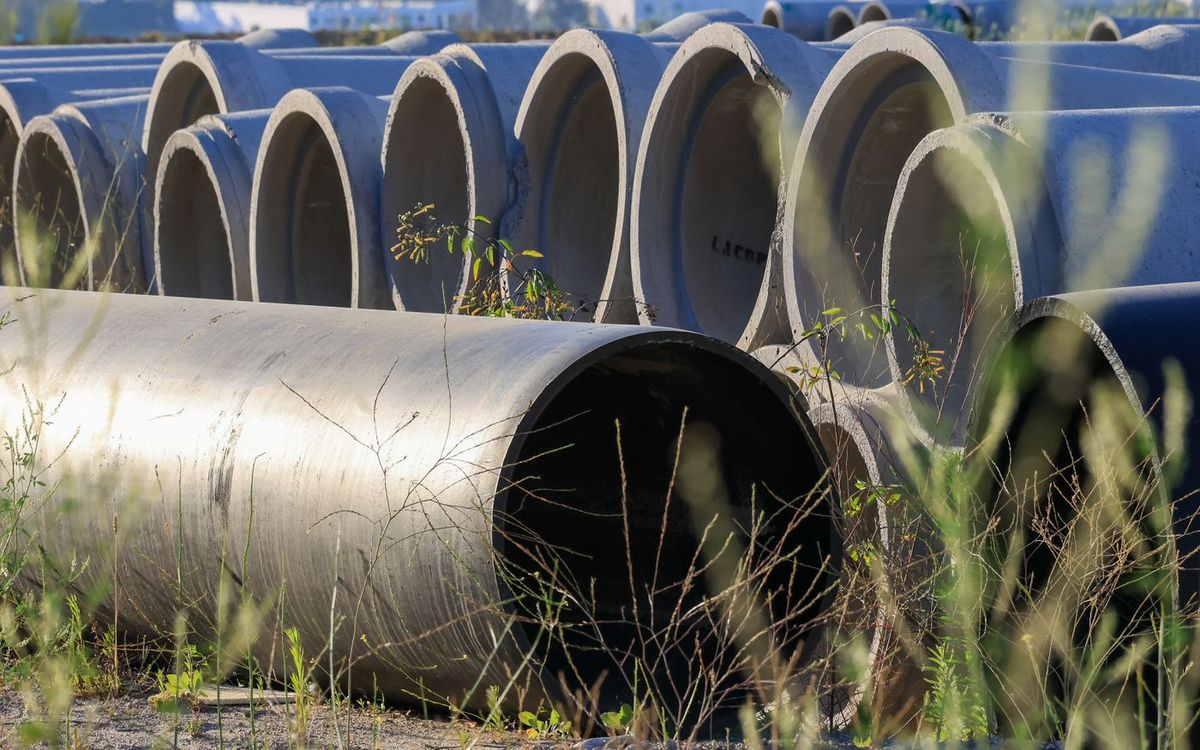
A sewer line quote is the scariest number most homeowners ever hear from a plumber, and it is also the one where second opinions save the most money. We have put cameras down lines that another company quoted for full replacement and found one root-filled joint. So before any numbers, one rule: nobody should replace a sewer line that has not been on camera.
The three repair paths and their prices
| Method | Typical Charlotte price | When it fits |
|---|---|---|
| Spot repair (dig one section) | $1,500 - $4,000 | One bad joint or break, rest of line healthy |
| Full traditional dig-and-replace | $5,000 - $12,000 | Line failed in multiple places, shallow depth, open yard |
| Trenchless (lining or pipe bursting) | $6,000 - $15,000 | Mature trees, driveways, hardscape worth protecting |
The camera inspection that decides between them costs $150 to $300 and includes locating, so the problem gets marked on your lawn with its exact depth.
Why Charlotte lines fail
The older neighborhoods, Plaza Midwood, Dilworth, NoDa, Myers Park, and the mill towns like Belmont and Gastonia, were plumbed with clay pipe in short sections. Every joint between sections is an invitation, and Charlotte's willow oaks accept it. Roots enter hairline gaps, thicken, and either block the line or break the joint. Add red clay soil that swells when wet and shrinks hard in dry summers, and lines develop sags where water and grease collect. Most failures we see are one of those two stories.
What pushes the price up
Depth is the big one. A line four feet down is a normal dig, a line nine feet down needs shoring and more machine time. What sits above the line matters just as much: replacing pipe under a driveway, mature landscaping, or a porch multiplies restoration costs, which is exactly when trenchless earns its premium. Distance to the city tap, the connection at the street, sets the length of the job. And if the city's portion is the failed section, that part is on Charlotte Water, which the camera locating proves.
Trenchless, in plain terms
Two methods. Lining inserts a resin-soaked sleeve into the old pipe and cures it in place, creating a new pipe inside the old one. Bursting pulls a new pipe through while breaking the old one outward. Both work from small access pits instead of a trench. On a Myers Park lot with hundred-year-old oaks and a brick walkway, trenchless routinely beats the dig on total cost once you count restoration, and it saves trees a trench would kill. On an open lawn with a shallow line, the traditional dig is often the better buy. The right answer is a math problem, and we show the math in the quote.
Protect yourself from the bad version of this quote
Ask for the camera footage, and keep a copy. Ask whether the quote is spot repair or full replacement and why. Ask what restoration is included, since a low dig quote that leaves your yard a trench is not complete. Check whether your homeowners policy has a service line rider, some cover thousands of this. And get a second opinion on anything over $5,000, using your own footage so you do not pay for a second camera. An honest company survives second opinions. Start with the sewer line page or read the camera inspection guide first if you are still at the diagnosis stage.